

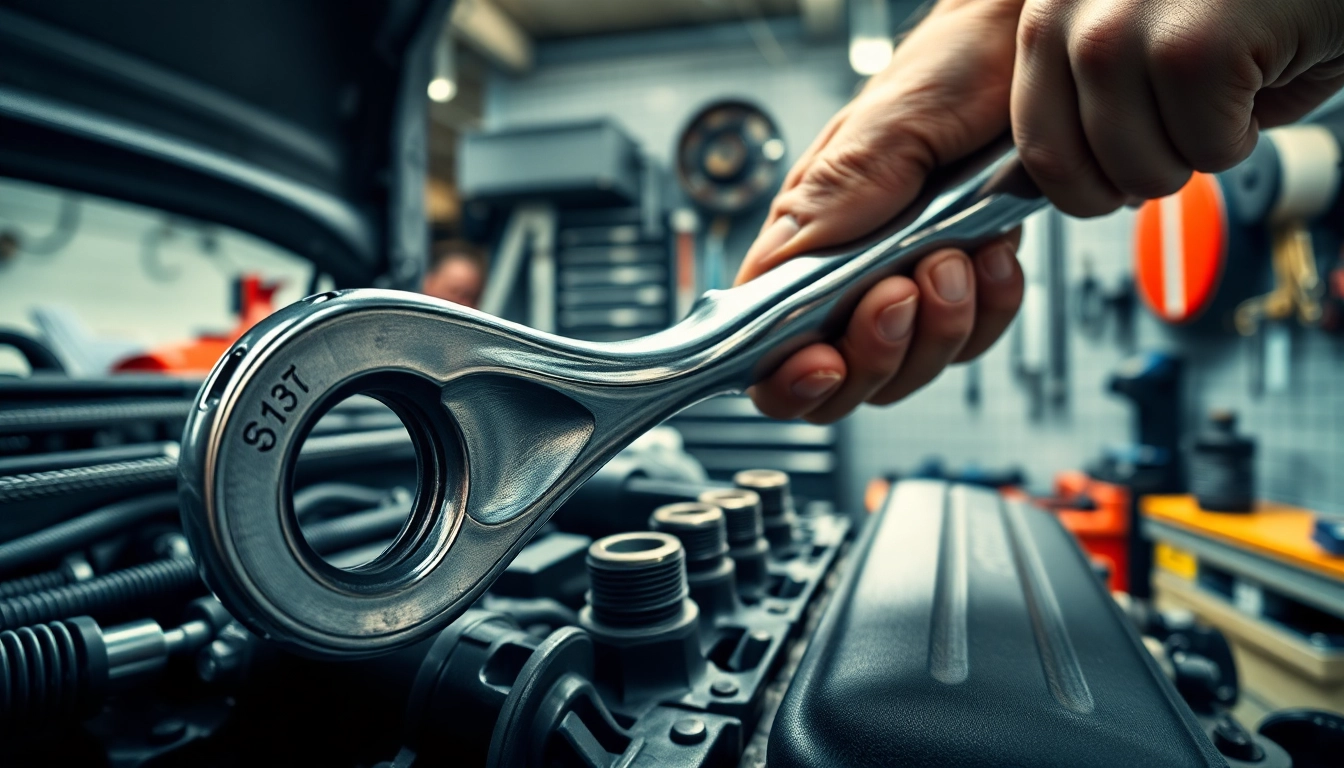
Understanding the Twist Handle Ratchet
What is a Twist Handle Ratchet?
A twist handle ratchet is a versatile hand tool designed to enhance the efficiency of fastening and unfastening tasks, particularly in mechanical and automotive applications. Distinguished by its unique twist handle mechanism, this tool allows for rapid socket attachment and detachment, making it indispensable for both professionals and DIY enthusiasts. Unlike standard ratchets, which require a back-and-forth motion, a twist handle ratchet provides a more streamlined approach, reducing the time required to tighten or loosen bolts and screws.
Key Features of the Twist Handle Ratchet
- Twist Handle Mechanics: The defining feature of the twist handle ratchet is its innovative handle design, which allows users to rotate the handle to engage and disengage the ratcheting mechanism. This eliminates the hassle of flipping the ratchet, providing a continuous action that speeds up work.
- Variable Torque Settings: Many models come with adjustable torque settings, enabling users to control how much force is applied when tightening or loosening fasteners, crucial for preventing damage to sensitive components.
- Compact and Lightweight Design: The compact size and lightweight nature of twist handle ratchets facilitate easy maneuverability in tight spaces, where traditional tools may struggle.
- Durable Construction: Quality twist handle ratchets are typically constructed from high-grade materials like chrome vanadium steel, ensuring long-lasting durability and resistance to wear and corrosion.
Benefits of Using a Twist Handle Ratchet
The twist handle ratchet offers an array of benefits that cater to various user needs. Notably, its ergonomic design minimizes user fatigue, allowing for extended use without discomfort. Moreover, the efficiency gained through its twist mechanism can significantly reduce task completion time, translating to improved productivity—especially in professional settings where time is critical.
Additionally, twist handle ratchets often provide enhanced precision, as the ability to finely adjust torque means users can apply just the right amount of force to avoid damaging the workpiece. For hobbyists and professionals alike, this tool stands out as a must-have in any toolkit.
Choosing the Right Twist Handle Ratchet
Factors to Consider When Selecting
Choosing the right twist handle ratchet involves several considerations to ensure optimal performance and suitability for specific tasks. Here are some key factors to ponder:
- Socket Sizes: Determine the range of socket sizes you will need. Twist handle ratchets often come in different drive sizes, primarily 1/4”, 3/8”, and 1/2”, to accommodate various applications.
- Build Quality: Opt for a ratchet that features sturdy construction—such as tool steel or chrome-plated finishes—to ensure it withstands the rigors of extensive use.
- Gear Ratios: Look for ratchets with a higher number of teeth in the gear mechanism. This allows for more precise movements and greater efficiency, especially in tight spaces where movement is limited.
- Comfort and Grip: Since using a ratchet can be strenuous, consider models with rubberized grips or those designed ergonomically to provide comfort during prolonged usage.
Comparing Twist Handle Ratchet Types
There are various types of twist handle ratchets available on the market, each catering to different needs and preferences. Here’s a brief overview:
- Standard Twist Handle Ratchets: Ideal for general-purpose use, these are the most common type, suitable for a wide range of projects.
- Low-Profile Ratchets: Designed specifically for tight spaces, these ratchets have a narrower head, allowing users to work in confined areas without sacrificing performance.
- High-Torque Twist Handle Ratchets: For heavy-duty applications, these models are built to handle larger bolts and more significant torque requirements, making them ideal for industrial use.
Best Brands and Models Available
When it comes to purchasing a twist handle ratchet, renowned brands often set the benchmark for quality and reliability. Brands like Facom, GearWrench, and Craftsman have garnered positive reviews for their durable and efficient twist handle ratchets. Noteworthy models include the twist handle ratchet from Facom, recognized for its ergonomic design and robust performance. Always seek models that align with your specific needs and ensure they come with a warranty for peace of mind.
How to Use a Twist Handle Ratchet Effectively
Step-by-Step Guide for Beginners
For those new to using twist handle ratchets, here is a straightforward guide to help you get started:
- Select the Correct Socket: Choose a socket that matches the size of the bolt or nut you will be working on.
- Attach the Socket: Slide the socket onto the ratchet head until it clicks into place, ensuring a secure fit.
- Adjust the Angle: Position the ratchet at an angle that allows easy access to the fastener. Remember, it’s all about comfort and leverage.
- Engage the Mechanism: Use the twist handle to start turning. For tightening, rotate clockwise; for loosening, rotate counter-clockwise.
- Check for Resistance: If you encounter significant resistance, ensure that you are turning in the correct direction and that the socket is properly seated on the fastener.
Common Mistakes to Avoid
While using a twist handle ratchet may seem straightforward, several common mistakes can hinder performance:
- Using the Wrong Size Socket: Always ensure the socket fits snugly on the fastener to avoid stripping and damage.
- Over-Tightening: This can lead to broken bolts or damage to components. Use the adjustable torque settings effectively.
- Neglecting to Clean the Ratchet: Dirt and grime can hinder performance; keep your tool clean for smooth operation.
Advanced Techniques for Professionals
For experienced users, mastering the following techniques can optimize the utility of a twist handle ratchet:
- Multi-Tasking: Utilize the twist mechanism in combination with an impact driver to enhance speed for repetitive tasks.
- Precision Torque Application: Use torque wrenches in conjunction with twist handle ratchets for high-stakes operations, ensuring perfect torque application without damage.
- Systematic Organization: Keep an organized toolkit by labeling sockets and storing them alongside your twist handle ratchet to streamline workflow.
Maintaining Your Twist Handle Ratchet
Cleaning and Care Tips
To ensure longevity and optimal performance, proper maintenance of your twist handle ratchet is crucial. Here are some tips:
- Regular Cleaning: After use, clean the ratchet with a soft cloth free from debris, ensuring that the mechanism remains clear and functional.
- Lubrication: Periodically apply a few drops of suitable lubricant to the ratchet’s moving parts to maintain smooth operation.
- Store Properly: Store your ratchet in a protective case to prevent exposure to harsh conditions that could lead to corrosion or mechanical failure.
Signs It’s Time for Replacement
Over time, even the best twist handle ratchets can wear out. Here’s how to identify when it’s time to consider replacement:
- Reduced Performance: If you notice a decline in functionality or difficulty engaging the ratcheting feature, it may be time for a new tool.
- Visible Damage: Cracks or breaks in the handle or head indicate potential safety hazards when using the tool.
- Unusual Noises: Uncommon sounds during operation could point to internal issues requiring immediate attention.
Storage Solutions for Longevity
Appropriate storage solutions can extend the life of your twist handle ratchet. Consider the following:
- Toolboxes and Organizers: Use toolboxes with compartments designed for various socket sizes and ratchets for organized storage.
- Padded Cases: Protective cases can prevent damage from impact and physical stress.
- Climate-Controlled Spaces: Store your tools in environment-controlled settings to minimize corrosion risk from humidity.
Evaluating Performance Metrics of Twist Handle Ratchets
Key Performance Indicators
To measure performance effectively, consider the following indicators:
- Torque Capacity: Assess the maximum torque the ratchet can handle without failure.
- Ratching Action Speed: Evaluate how quickly the tool engages different positions and the fluidity of the twist mechanism.
- Durability Ratings: Look for user reviews and ratings on the longevity of the tool under standard operating conditions.
Real User Experiences and Reviews
Gathering insights from actual users can provide valuable information about the performance of various twist handle ratchets. Users often highlight aspects such as comfort, ease of use, and effectiveness of the twist mechanism. Online forums and review sites are excellent resources for finding detailed account experiences that can guide your purchase decisions.
Improving Efficiency with Proper Use
Efficiency is pivotal when using a twist handle ratchet. To maximize the effectiveness of your tool, practice consistency in technique and always adhere to safety guidelines. Regularly assess and keep your twist handle ratchet calibrated to ensure precision and reliability in your work.