

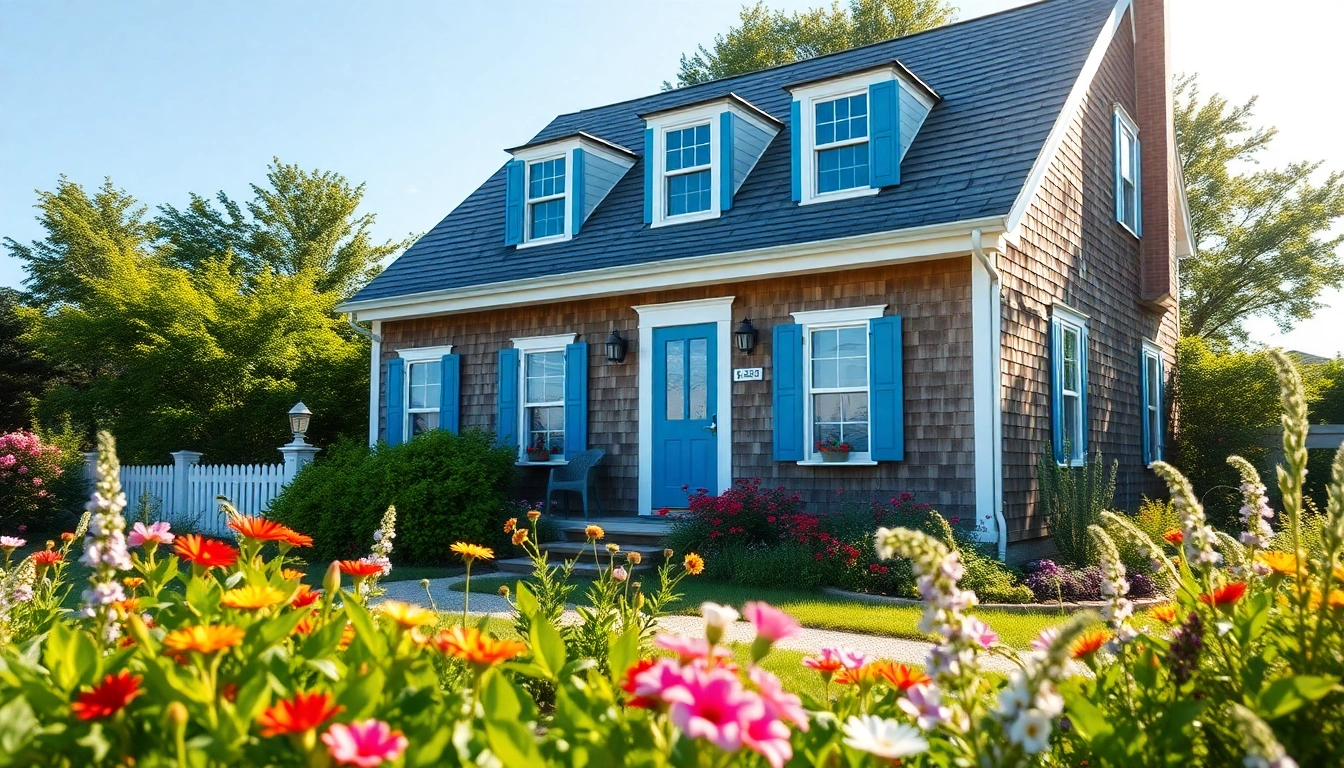
Introduction to Cape Cod Homes
Cape Cod homes embody a unique blend of simplicity, charm, and historical significance, making them a favored choice for many homeowners. Originating in the early 17th century in New England, these homes were designed to withstand the region’s harsh weather conditions, while providing comfort and functionality for their inhabitants. Today, cape cod homes attract attention not just for their historical value but also for their aesthetic appeal and adaptability. This article delves into the rich history, key features, and modern innovations of these iconic homes, along with practical tips for planning expansions and renovations.
History and Characteristics
The history of Cape Cod homes dates back to the early 1600s when English settlers sought to create sturdy dwellings that could withstand the New England climate. These homes typically feature steeply pitched roofs, dormer windows, and symmetrical facades. Constructed primarily from local wood and often painted in muted colors, these homes were designed with practicality in mind. The interior layouts are simple, focusing on an open floor plan that maximizes space and light. Characteristics such as wood siding, expansive front porches, and shingle roofs are hallmarks of Cape Cod architecture, making them easily recognizable.
Importance of Design Principles
When designing Cape Cod homes, adhering to foundational design principles is crucial. These principles emphasize balance, symmetry, and proportion, which contribute to the home’s overall aesthetic appeal. The use of local materials not only enhances the home’s charm but also connects the building to its natural surroundings. Sustainability is now considered a vital aspect of design, as modern homeowners value eco-friendly options that blend seamlessly with traditional aesthetics. Whether renovating an existing structure or building anew, maintaining these principles ensures that the beauty and integrity of Cape Cod homes are preserved.
Current Trends in Cape Cod Homes
In recent years, the popularity of Cape Cod homes has seen a resurgence, driven largely by aesthetic trends and lifestyle changes. Homeowners are increasingly looking for designs that reflect both classic styles and modern functionalities. Open-concept layouts, energy-efficient features, and sustainable materials are among the top trends. Additionally, color palettes have evolved to include bolder shades and nautical themes, while retaining the classic whites and soft grays. These modern adaptations allow homeowners to create spaces that are both timeless and trendy, catering to diverse tastes.
Key Features of Cape Cod Homes
Unique Architectural Elements
The architectural elements of Cape Cod homes are what set them apart from other styles. The steep roof pitch, often seen at a 45-degree angle, is designed to quickly shed snow and rain, making them practical for the New England climate. Dormer windows enhance the aesthetics while providing additional daylight and headroom in the upper levels. The use of natural materials, such as cedar shake shingles, not only contributes to the authentic look but also ensures durability. Front porches invite community and relaxation, reinforcing the connection between the indoor and outdoor spaces.
Interior Design Tips
Interior design in Cape Cod homes focuses on creating a warm and inviting atmosphere. Neutral color schemes complemented by nautical accents—like blues and whites—are popular choices that reflect the coastal environment. Using natural materials for flooring, such as hardwood or painted wood, helps maintain the organic feel of the home. Incorporating built-in shelves and window seats enhances not only the functionality but also the charm of the space. Décor often features elements inspired by maritime themes, such as ship models or seashells, providing a cohesive look that ties back to the home’s roots.
Landscaping Ideas for Cape Cod Homes
The landscape surrounding Cape Cod homes plays a significant role in enhancing their overall appeal. Traditional Cape Cod landscaping favors natural, low-maintenance gardens that complement the home’s architecture. Native plants, such as beach grass and hydrangeas, are excellent choices, as they thrive in local conditions and require less irrigation. Incorporating stone pathways and driftwood accents can provide a rustic charm. Outdoor living spaces, such as patios and fire pits, encourage family gatherings and create an inviting atmosphere. Choosing light-colored stones and gravels can reflect the coastal environment effectively, maintaining a harmonious aesthetic.
Planning Your Cape Cod Home Expansion
Assessing Your Space Requirements
When considering an expansion of your Cape Cod home, start by thoroughly assessing your space requirements. Think about your current lifestyle needs, including the number of family members and how they use shared spaces. Are you looking for an extra bedroom, a larger living area, or additional bathrooms? Create a list of must-haves and nice-to-haves to prioritize your needs. Don’t forget to consider future needs; for instance, if you plan to grow your family or host guests frequently, ensure the design accommodates potential changes in your lifestyle.
Permits and Regulations
Before initiating a home expansion, it is essential to familiarize yourself with local building codes and regulations. Many jurisdictions require building permits for structural changes, which may include zoning approvals and inspections. Engage with local authorities or a professional architect to ensure compliance with all necessary regulations. This will help prevent costly delays and ensure that your project adheres to community standards and preservation guidelines for Cape Cod homes.
Choosing the Right Design Style
Your expansion should complement the existing architecture of your Cape Cod home to maintain a cohesive look. Consider sticking to traditional styles that echo the original design elements—like steep roofs and shingle siding—or you might opt for a modern twist with larger windows and open-concept spaces. Consulting with an architect who specializes in Cape Cod architecture can provide insights into how best to merge new elements with the established style, ensuring that the final design is both functional and visually appealing.
Modern Innovations in Cape Cod Homes
Sustainable Building Practices
As sustainability becomes increasingly important for homeowners, incorporating environmentally friendly practices into Cape Cod home building and renovations is essential. This includes using reclaimed wood, sustainably sourced materials, and energy-efficient windows. Rainwater harvesting systems and native planting not only reduce environmental impact but can also lower maintenance costs in the long term. Embracing these practices can enhance property value while minimizing your carbon footprint.
Smart Home Technologies
Integrating smart home technologies into Cape Cod homes can significantly enhance convenience and security. Smart control systems allow homeowners to manage lighting, heating, and security remotely, often leading to increased energy efficiency. For instance, smart thermostats can optimize heating schedules, while security systems provide peace of mind. When planning new installations, consider how these technologies can be discreetly incorporated into the home’s design without compromising its aesthetic appeal.
Energy Efficiency Considerations
Improving energy efficiency is a key consideration for modern Cape Cod homes. Incorporating high-performance insulation, energy-efficient appliances, and solar panels can reduce both energy consumption and costs. When renovating or expanding, ensure that windows and doors are designed to minimize air leakage. Energy audits can also identify areas for improvement, helping homeowners to make informed decisions about where to invest in upgrades for maximizing efficiency.
Frequently Asked Questions
What defines Cape Cod homes?
Cape Cod homes are characterized by their steep roofs, dormer windows, and symmetrical facades, originating from 17th-century New England. They emphasize simplicity and functionality while incorporating local materials for durability.
How can I update my existing Cape Cod home?
Updating a Cape Cod home can involve modernizing spaces with open floor plans, incorporating energy-efficient technologies, and painting or re-siding with classic coastal colors to enhance its charm.
What are popular color schemes for Cape Cod homes?
Popular color schemes include soft pastels, whites, and beach-inspired hues like blues and greens, which reflect the coastal environment, while still maintaining the classic aesthetic of Cape Cod architecture.
How do I find a builder for my Cape Cod home?
To find a builder for your Cape Cod home, seek recommendations from friends or family, check online reviews, and look for builders with experience in traditional architecture to ensure quality workmanship.
What landscaping features complement Cape Cod homes?
Landscaping for Cape Cod homes should include native, low-maintenance plants, stone pathways, and outdoor living spaces that enhance the coastal charm while respecting the natural environment.