

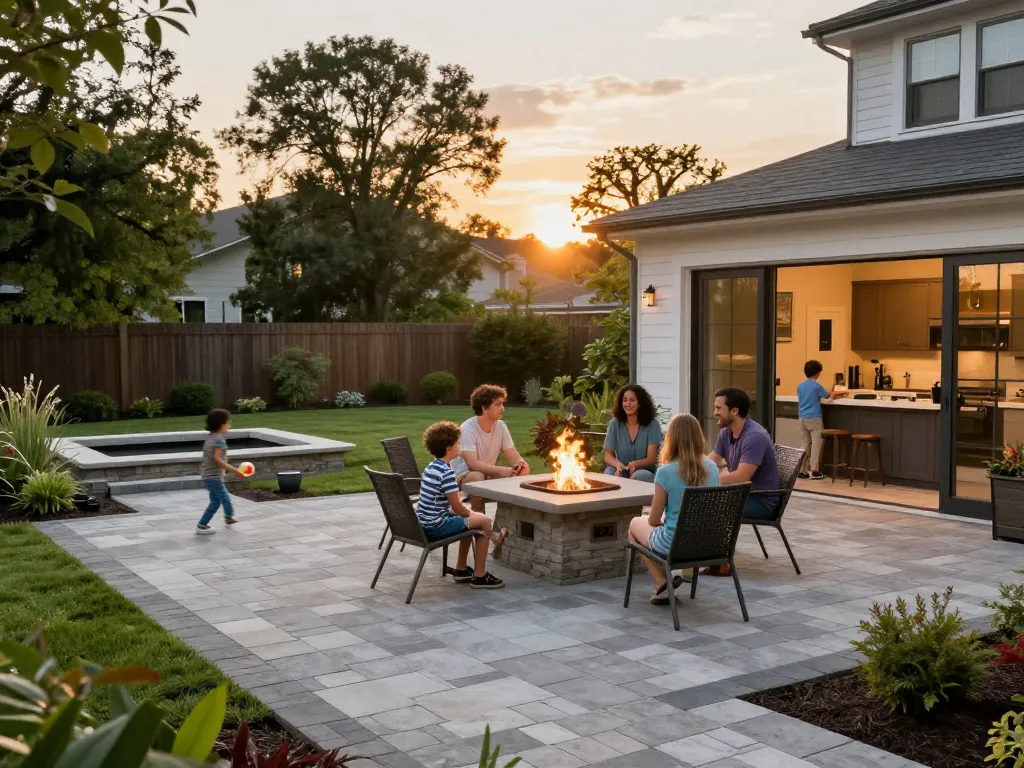
Understanding Paver Installation
Paver installation is a crucial aspect of modern landscaping, designed to create aesthetically pleasing and functional outdoor spaces. Whether you’re planning a new patio, walkway, or driveway, the installation process plays a pivotal role in the longevity and visual appeal of these surfaces. As homeowners increasingly prioritize outdoor living spaces, understanding paver installation, its benefits, and how to select the right services is essential. When exploring options, Paver installation near me services can provide comprehensive insights into creating the perfect outdoor environment.
What is Paver Installation?
Paver installation involves the process of laying stone, brick, or concrete pavers to create durable surfaces for outdoor areas. This type of hardscaping is celebrated for its versatility and visual appeal, lending itself to various designs and patterns. Unlike poured concrete, pavers offer flexibility in design, allowing homeowners to choose from a multitude of colors, sizes, and textures, making it possible to create unique looks tailored to personal taste and property style.
Benefits of Choosing Pavers for Your Outdoor Space
- Durability: Pavers are designed to withstand harsh weather conditions and heavy foot traffic.
- Aesthetic Appeal: With a variety of colors and patterns, pavers can enhance the overall look of your property.
- Low Maintenance: Pavers require minimal upkeep compared to other materials; they can be easily cleaned and repaired.
- Eco-Friendly: Many pavers are made from sustainable materials and allow for water drainage, reducing runoff.
- Increased Property Value: A well-designed hardscape can significantly boost the appeal and value of your home.
Key Components of a Successful Installation
Successful paver installation relies on several key components, including proper site preparation, suitable base materials, and skilled craftsmanship. The process involves:
- Site Preparation: This includes clearing the area, removing existing materials, and leveling the ground.
- Base Layer: A solid base of crushed stone or gravel is essential for drainage and stability.
- Edge Restraints: These are installed to keep pavers in place and prevent shifting.
- Paver Layout: Proper planning and layout ensure a visually appealing and functional design.
- Joint Filling: The use of sand or polymeric materials ensures stability and prevents weed growth between pavers.
Finding the Right Paver Installation Services Near You
Locating the right paver installation services is crucial for ensuring a successful project. As a homeowner, you’ll want to evaluate potential installers based on their experience, reputation, and the quality of their work.
How to Evaluate Local Paver Installers
When searching for paver installation services, consider the following factors:
- Experience: Look for contractors with a proven track record in paver installation.
- Portfolio: Review their past projects to gauge their style and quality of work.
- Customer Reviews: Check online reviews and testimonials to understand client satisfaction.
- Warranty Offers: Reputable installers should provide warranties on their work.
Questions to Ask Before Hiring a Contractor
To ensure the best outcomes, ask potential contractors the following questions:
- What is your experience with paver installation?
- Can you provide references from previous clients?
- What type of pavers do you recommend for my project?
- How long will the installation take?
- What is included in your quote?
Checking Credentials and Reviews
Verifying a contractor’s credentials is essential. Ensure they are licensed, insured, and ideally certified by paver manufacturers. Reviews on platforms such as Google and Angi can provide insight into their reliability and quality of service. This due diligence can help you avoid potential pitfalls and ensure your project is completed to a high standard.
Designing Your Paver Project
Designing an attractive and functional paver project requires careful planning and creativity. Thoughtful designs not only enhance your outdoor living area but also integrate seamlessly with your landscape.
Choosing the Right Type of Pavers
Choosing the right type of pavers is critical. Options include:
- Concrete Pavers: Affordable, available in various shapes and colors.
- Clay Pavers: Durable, with a natural appearance; great for classic designs.
- Natural Stone Pavers: Unique and aesthetically pleasing, but typically more expensive.
- Permeable Pavers: Designed for improved drainage, reducing water runoff.
Design Ideas for Patios, Walkways, and Driveways
Consider these innovative design ideas:
- Patio Zones: Create separate areas for dining, lounging, and cooking.
- Curved Walkways: Use curves to soften the landscape and create inviting paths.
- Mixed Patterns: Combine different styles and colors of pavers for a unique look.
- Bordering and Edging: Use contrasting pavers or materials to define spaces.
Incorporating Landscaping with Pavers
Integrating landscaping elements like plants and trees with paver designs enhances overall aesthetics. Consider:
- Greenery: Use flowers and shrubs to soften hard surfaces.
- Lighting: Incorporate outdoor lighting to showcase paver features.
- Water Features: Enhance designs with fountains or ponds near paved areas.
Common Challenges in Paver Installation
While paver installation can transform your outdoor space, it is not without its challenges. Understanding these can help mitigate issues.
Addressing Drainage Issues
Proper drainage is vital for paver longevity. Ensure that the site is graded appropriately and that drains are in place to prevent pooling water, which can undermine the paver base.
Avoiding Common Installation Mistakes
Some common mistakes that can affect the longevity of pavers include:
- Inadequate base material leading to shifting or settling.
- Poorly planned layouts causing efficiency issues.
- Not allowing for expansion joints, which may lead to cracking.
Maintaining Your Paver Surface Post-Installation
Maintaining pavers is crucial for their longevity. Regular cleaning and resealing can prevent stains and damage. Using a sealant can also help protect against weeds and erosion.
The Future of Paver Installation
As technology advances, paver installation evolves to include new materials and techniques that enhance durability and aesthetics.
Innovative Trends in Paver Materials and Designs for 2026
In 2026, anticipate seeing:
- Recycled Materials: Increased use of eco-friendly materials in paver production.
- 3D Printed Pavers: Custom designs becoming more accessible through technology.
- Smart Pavers: Integration of technology for enhanced functionality, like heated pavers.
Eco-Friendly Paving Solutions
With growing environmental concerns, eco-friendly paving solutions are rising in popularity. Options include permeable pavers, which help manage stormwater and reduce runoff, and those made from recycled materials.
Industry Insights: What to Expect in the Coming Years
The paver installation industry is expected to grow, with homeowners increasingly prioritizing outdoor spaces. New technologies will likely shape design and installation methods, promoting environmentally sustainable practices while enhancing aesthetics.
What Should I Consider When Researching Paver Installation Near Me?
As you seek local paver installation services, consider factors such as:
- Local building codes and regulations.
- Project timelines that align with seasonality.
- Availability of sustainable materials.
How Long Does a Typical Paver Installation Take?
The duration of a paver installation project can vary based on the scope, typically ranging from a few days to a week. Factors that influence this timeline include site preparation, weather conditions, and the complexity of the design.
What Maintenance is Needed for Paver Installations?
Post-installation, maintenance should involve regular cleaning, resealing when necessary, and immediate repairs for any damaged pavers to ensure aesthetics and durability remain intact.
Are Pavers Better Than Concrete for Outdoor Spaces?
Pavers offer several advantages over concrete, including greater design flexibility, ease of repair, and improved durability. While concrete can crack and is often more susceptible to the elements, pavers, if installed correctly, can last for decades without major issues.
What is the Cost of Paver Installation on Average?
The cost of paver installation can vary widely based on factors such as material selection, project size, and location. On average, homeowners should budget between $8 to $20 per square foot, inclusive of materials and labor.