

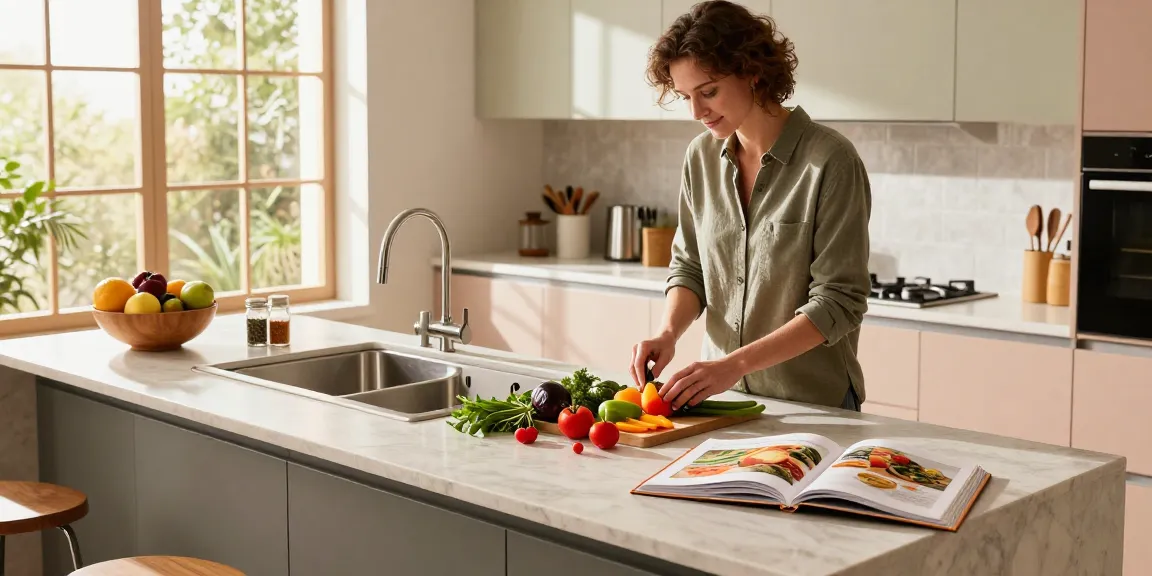
Understanding the Kitchen Sink in Stainless Steel
When it comes to choosing a kitchen sink, the material plays a pivotal role in both functionality and aesthetics. The kitchen sink in stainless steel has become a popular choice among homeowners and designers alike. Known for its durability, modern look, and ease of maintenance, stainless steel brings a blend of practicality and style to any kitchen. In this article, we will delve into the reasons behind the popularity of stainless steel sinks, common misconceptions, and the various types available to help you make an informed decision.
Why Choose a Kitchen Sink in Stainless Steel?
Stainless steel sinks are renowned for their strength and resilience. Unlike other materials, stainless steel is non-porous, making it resistant to bacteria and stains. This quality is especially beneficial in a busy kitchen where hygiene is a top priority. Furthermore, the versatile aesthetic of stainless steel complements various kitchen designs, from modern and sleek to classic and traditional.
When exploring options, kitchen sink in stainless steel provides comprehensive insights into the best products on the market, matching your needs with quality doesn’t have to be a challenge.
Common Myths About Stainless Steel Sinks
- Myth 1: Stainless steel sinks are prone to scratches.
- Myth 2: They are too noisy compared to other materials.
- Myth 3: Stainless steel sinks will rust and corrode easily.
In reality, high-quality stainless steel sinks are crafted to resist scratches and noise through various materials and design innovations. Routine maintenance can also keep them looking pristine over time.
Types of Stainless Steel Sinks Available
Stainless steel sinks come in various styles to fit the needs of any kitchen:
- Single Bowl: Ideal for small kitchens or minimalistic designs.
- Double Bowl: Provides flexibility for washing and rinsing dishes simultaneously.
- Undermount: Sits beneath the countertop for a seamless appearance.
- Farmhouse: Adds a charming, rustic touch while being functional and spacious.
Benefits of Stainless Steel for Kitchen Sinks
Durability and Longevity of Stainless Steel Sinks
One of the greatest advantages of a stainless steel sink is its longevity. Made from high-quality 16 or 18-gauge stainless steel, these sinks can withstand heavy use without showing wear. Their fabrication also resists dents and damage from dropped pans, making them an ideal choice for a busy kitchen.
Heat and Stain Resistance Explained
Stainless steel sinks can tolerate extreme temperatures, allowing you to pour boiling water directly into them. However, it is essential to avoid sudden temperature changes that could lead to warping. Additionally, their stain-resistant properties mean that they won’t harbor grime or odors, thus enhancing the overall kitchen hygiene.
Maintenance Tips for Longevity
Keeping a stainless steel sink looking its best requires minimal effort. Regular cleaning with mild soap and a soft cloth is generally sufficient. For tough stains, using a baking soda paste can effectively restore shine. Additionally, avoid using abrasive cleaners that might scratch the surface.
Design Considerations for Your Kitchen Sink
Choosing the Right Size and Style
When selecting a stainless steel sink, size and style are crucial. Consider your kitchen layout and the type of work you will be doing. A larger, deeper sink may be necessary for heavy-duty cooking, while a smaller option could suffice for light-use kitchens.
Integration with Kitchen Aesthetics
The finish of your stainless steel sink can significantly impact the overall look of your kitchen. A brushed finish typically hides fingerprints and scratches better than a polished finish, making it a practical choice for high-traffic areas.
Popular Trends for 2026: What’s Hot in Kitchen Design
As we look towards 2026, popular kitchen trends include the integration of bold colors with stainless steel accents, such as black appliances and colorful cabinetry. Mixing textures, such as pairing a matte finish countertop with a shiny stainless steel sink, creates a striking visual appeal.
Installation Insights for Stainless Steel Sinks
DIY vs. Professional Installation: Pros and Cons
Many homeowners consider whether to install their sinks themselves or hire a professional. While DIY installation can save money, it requires knowledge of plumbing and proper sealing techniques. Professional installation ensures that the sink is fitted correctly, minimizing risks associated with leaks or improper sealing.
Essential Tools and Materials for Installation
- Plumber’s putty
- Silicone sealant
- Adjustable wrench
- Plumbing tape
- Screwdriver
Step-by-Step Installation Guide
- Remove the old sink and clean the countertop thoroughly.
- Position the new sink in place, ensuring proper alignment.
- Secure the sink with brackets and apply plumber’s putty around the edges.
- Connect the plumbing fixtures and ensure there are no leaks.
- Seal any gaps with silicone sealant for added protection.
Caring for Your Stainless Steel Kitchen Sink
Cleaning Techniques for a Sparkling Finish
To maintain the shine of your stainless steel sink, clean it regularly with a soft cloth and mild detergent. For deeper cleaning, a mix of vinegar and water can effectively cut through grease without damaging the surface.
Preventing Scratches and Damage
To prevent scratches, avoid dragging pots or other heavy items across the surface. Using a sink mat or a rubber liner can offer additional protection, especially in high-use sinks.
Long-term Care Strategies for Stainless Steel
Over time, it’s important to invest in quality cleaning products specifically designed for stainless steel. Alternatively, a simple mixture of olive oil and vinegar can help restore and maintain luster.
What are the best brands for kitchen sinks in stainless steel?
Top brands like Kraus, Ruvati, and BLANCO are renowned for their quality and design. Each brand offers a range of styles and features to fit diverse kitchen needs.
How do I prevent water spots on my stainless steel sink?
To minimize water spots, dry your sink after each use with a soft cloth. Regular cleaning and polishing with a suitable cleaner can also help maintain its luster.
Can I use abrasive cleaners on stainless steel sinks?
Avoid abrasive cleaners as they can scratch the surface of the sink, leading to a dull appearance. Instead, opt for gentle, non-abrasive cleaning solutions.
What’s the difference between gauge and finish in stainless steel sinks?
The gauge of stainless steel refers to its thickness, with lower numbers indicating thicker steel. The finish refers to how the steel surface is treated, which affects its appearance and resistance to scratches and stains.
Are there eco-friendly options for stainless steel sinks?
Yes, many manufacturers are now offering eco-friendly options that use recycled materials in their production processes while maintaining quality and durability.