

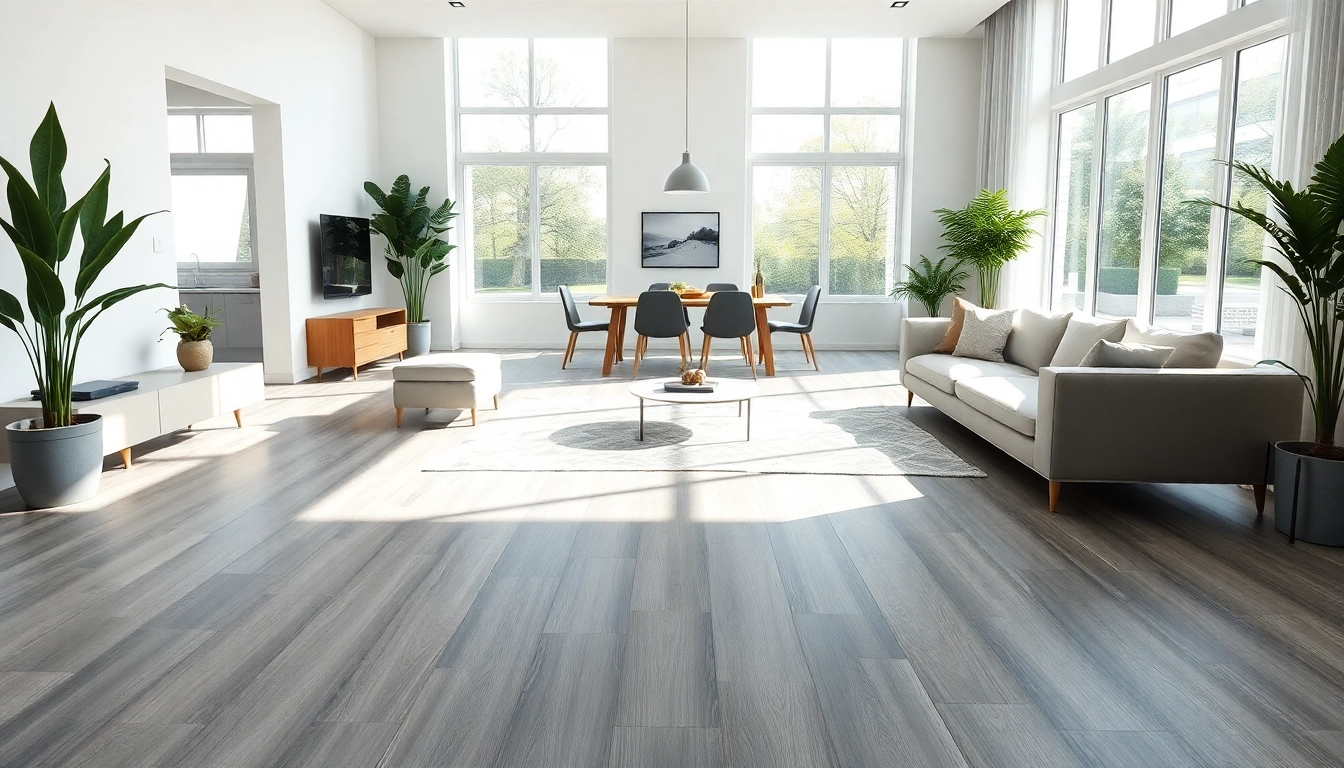
Understanding LVP Floor Basics
What is LVP Flooring?
Luxury Vinyl Plank (LVP) flooring has gained substantial popularity in the flooring industry, providing an attractive combination of design and durability. It mimics the appearance of hardwood and other natural materials while being resilient to wear and tear. LVP flooring is constructed from multiple layers, including a backing, a core layer, a design layer that showcases high-resolution images of wood or stone, and a wear layer that protects against scratches and stains. This layered makeup not only contributes to its aesthetic appeal but also enhances its performance in various environments.
Benefits of LVP Floor
Choosing lvp floor comes with several advantages. One of the most significant benefits is its affordability. LVP flooring offers the visual appeal of hardwood at a fraction of the cost. Moreover, it is easy to install, often featuring a click-lock design that homeowners can manage themselves.
Additionally, LVP flooring is exceptionally durable. Its wear layer resists scratches, dents, and stains, making it ideal for busy households with children or pets. The flooring is also waterproof, which opens opportunities for installation in areas vulnerable to moisture, such as basements, kitchens, and bathrooms. The comfort underfoot and sound-dampening qualities of LVP further enhance its desirability.
Common Uses of LVP Floor
LVP flooring is versatile enough for various settings, including residential and commercial spaces. Within homes, it is ideal for living rooms, bedrooms, kitchens, and dining areas. Its durability and ease of cleaning make it suited for high-traffic areas like hallways and family rooms.
In commercial settings, LVP can be found in retail stores, office buildings, and hospitality environments. Its stylish appearance and low maintenance requirements provide business owners with an attractive floor option that can withstand heavy foot traffic while remaining cost-effective.
Choosing the Right LVP Floor for Your Space
Factors to Consider When Selecting LVP Floor
When selecting lvp floor for your space, it’s essential to consider durability, style, and the specific needs of your environment. Start by evaluating foot traffic levels. High-traffic areas require thicker wear layers to ensure longevity. Understanding the aesthetic you desire is also crucial; you can select from a variety of colors, textures, and finishes that complement your decor.
Another important factor is the flooring’s resistance to moisture if you intend to install it in areas prone to moisture exposure. Review warranties provided by the manufacturer to gauge the expected lifespan and quality of the flooring.
Comparing LVP Floor to Other Flooring Options
Comparing lvp floor to alternatives like hardwood, tile, or laminate reveals its competitive advantages. Hardwood floors, while aesthetically pleasing, require more maintenance and come at a higher price point. In contrast, LVP flooring offers similar visual appeal with significantly lower upkeep needs.
Tile flooring is durable and water-resistant but can be cold and hard underfoot. LVP, on the other hand, provides warmth and comfort while remaining easy to clean. Laminate flooring can mimic the look of hardwood and is similarly affordable, but it lacks LVP’s superior waterproof properties and durability. Overall, LVP flooring emerges as a versatile and practical choice across different environments.
Design Trends in LVP Flooring
As design trends constantly evolve, LVP flooring continues to adapt while remaining rooted in timeless elegance. Among the latest trends are textured finishes that mimic natural materials, providing an authentic feel underfoot. Popular finishes include wire-brushed oak and distressed wood designs, favoring rustic aesthetics.
Neutral color palettes, such as greys and beiges, dominate contemporary spaces. These versatile shades can be paired with various decor styles, making them a popular choice for many homeowners. Additionally, bold patterns and mixed-width planks are gaining traction, allowing design flexibility that elevates interior spaces.
Installation Guide for LVP Floor
Preparing Your Space for Installation
Before installing lvp floor, proper preparation of your space is vital for achieving optimal results. Begin by ensuring that the subfloor is clean, dry, and free of debris. Any imperfections in the subfloor can affect the performance and appearance of the flooring, so it may be necessary to level uneven areas.
Additionally, allow the lvp flooring to acclimate to the room temperature and humidity for at least 48 hours. This step helps prevent expansion or contraction after installation. Measure the space accurately, allowing for cuts and pattern adjustments as needed.
Step-by-Step Installation Process
Installing lvp floor is a manageable DIY project. Begin by laying out the planks to create your desired pattern. Start in the farthest corner of the room, working from left to right. Each plank easily clicks into place, eliminating the need for nails or adhesives.
Use spacers along walls to allow for proper expansion, and ensure that all planks align correctly to avoid gaps. Continue installing planks until you reach the final row, which may require cutting to fit.
Once installed, remove spacers and install baseboards to cover the expansion gap, providing a clean, finished look. Don’t forget to walk on the flooring only after the installation has been fully completed and checked.
Common Installation Mistakes to Avoid
While installing lvp floor might seem straightforward, there are common mistakes to avoid for a quality finish. One critical error is neglecting acclimation time, which can lead to buckling or gapping once installed. Another misstep is failing to prep the subfloor thoroughly; any imperfections can cause issues down the line.
Improper measurements may result in wasted materials, so always measure twice before cutting. Lastly, many DIYers forget to leave room for expansion at walls; without this allowance, the flooring can become damaged with temperature changes.
Maintaining Your LVP Floor
Cleaning and Care Tips for Longevity
To keep your lvp floor looking its best, regular cleaning and maintenance are essential. Start with frequent sweeping or vacuuming to remove dust and debris that can scratch the surface. For deeper cleaning, use a damp mop and a cleaner specifically formulated for vinyl flooring, ensuring residual moisture is minimal.
It’s advisable to place mats at entrances to catch dirt and moisture and to avoid using harsh chemicals or abrasive tools that could dull the finish. Furthermore, periodically check and address any scuffs or scratches with a soft cloth or appropriate repair solutions.
Addressing Common Issues
Common issues with LVP flooring include scratching, denting, and discoloration. In the event of scratches, using a vinyl floor repair kit can help restore the appearance. For dents, placing a damp cloth over the area and applying heat from an iron can help to restore the original surface.
Discoloration often results from exposure to direct sunlight. To mitigate this, using window coverings can help protect your flooring from UV rays. Furthermore, ensure that the room maintains a consistent temperature and humidity level to prevent warping or damage.
When to Consider Professional Help
While many homeowners can install and maintain lvp floor themselves, there are situations where professional help is advisable. Complex layouts and large spaces may benefit from a professional installer to ensure a seamless finish. Additionally, if you encounter significant subfloor issues, it’s wise to consult with a flooring expert before proceeding.
For maintenance needs, such as deep cleaning or repairs that require meticulous attention, professionals can deliver specialized services that preserve the quality and appearance of your flooring over time.
FAQs About LVP Floor
How durable is LVP flooring?
LVP flooring is highly durable, featuring a wear layer that resists scratches, dents, and stains, making it ideal for busy households and commercial spaces alike.
Can LVP floor be installed over existing flooring?
Yes, LVP can typically be installed over existing flooring as long as the surface is level, clean, and free from moisture. However, ensure to check the manufacturer’s guidelines for specific recommendations.
Is LVP floor waterproof?
Yes, LVP is waterproof, making it a great choice for moisture-prone areas like kitchens, bathrooms, and basements without the risk of damage from spills or humidity.
What are the typical costs of LVP flooring?
The cost of LVP flooring can vary based on quality and design, typically ranging from $2 to $7 per square foot, not including installation costs. Always compare options to find the best fit for your budget.
How does LVP flooring compare to hardwood?
LVP flooring is more affordable than hardwood, requires less maintenance, is more resistant to moisture, and offers greater design versatility, making it a practical alternative without compromising style.