

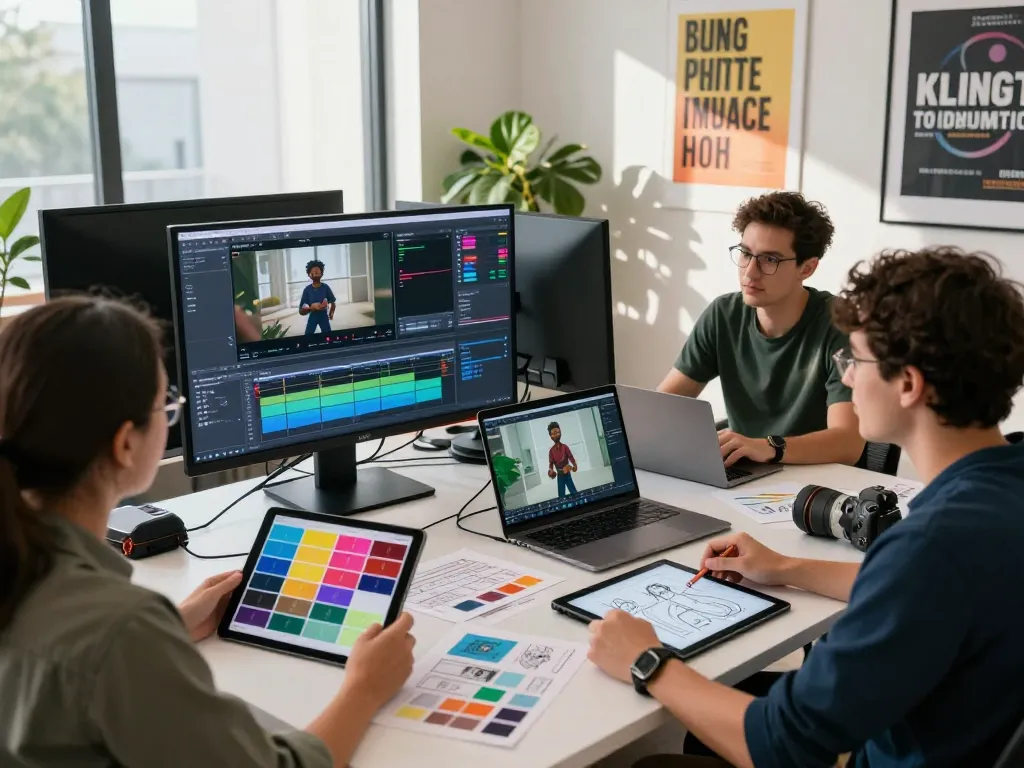
Understanding Kling Motion Technology
Kling Motion technology represents a significant leap in the landscape of AI-generated video content. As we venture into 2026, creators and marketers alike are increasingly dependent on tools that can seamlessly bridge the gap between static images and dynamic storytelling. This technology allows for the transformation of still images into engaging videos, providing a robust platform for creative expression and professional-grade video production.
When exploring options, Kling motion offers comprehensive insights into the mechanics behind this innovative platform. Through a simplified approach to motion control, Kling Motion empowers users to produce visually stunning videos effortlessly.
What is Kling Motion and How Does it Work?
Kling Motion is a cutting-edge AI technology that enables the conversion of still images into lively videos by analyzing motion patterns and applying them to static visuals. By utilizing advanced algorithms and a robust motion control engine, Kling 2.6 ensures precise animation that captures the nuances of human movement, from facial expressions to full-body actions.
At its core, Kling Motion works by requiring users to upload a reference image and a corresponding motion video. The AI engine then interprets the assets, allowing for a faithful transfer of motion to the character represented in the image. This mechanism not only preserves character integrity but also enhances the overall visual narrative by incorporating cinematic elements.
Key Features of Kling Motion 2.6
- Accurate Motion Path Control: Maintain the intended action direction and timing.
- Reliable Character Identity Preservation: Ensures visual consistency across frames, eliminating issues like identity drift.
- Photorealistic Output: Produces videos that closely mimic Traditional CGI quality, complete with realistic lighting and textures.
- Advanced Control for Complex Actions: Fine-tune details for intricate movements, ensuring natural timing.
- Rapid Video Generation: Streamlines workflow, reducing rendering times significantly.
Comparing Kling Motion with Other AI Video Tools
In the competitive landscape of AI video generation, Kling Motion holds its ground through unparalleled precision and user control. Unlike other models that may offer basic functionality or rely heavily on user input for animation accuracy, Kling Motion combines intuitive design with advanced machine learning capabilities.
For instance, while many tools struggle with maintaining coherent character identity throughout the video, Kling’s sophisticated algorithms prioritize consistency, producing high-quality results that can be utilized in various professional contexts. Additionally, the ability to guide the motion through text prompts allows for a higher degree of customization than many of its competitors.
Setting Up for Success with Kling Motion
To achieve the best results with Kling Motion technology, proper preparation is essential. By ensuring that your assets are carefully curated and optimized, you set the stage for high-quality video output that meets professional standards.
Preparing Your Image and Reference Video
The first step in using Kling Motion involves selecting a high-quality image that represents your character clearly. It is recommended to use a full-body or half-body photograph with a visible background, as this provides the AI with contextual information necessary for accurate motion transfer.
Additionally, your reference video should showcase clear, well-defined actions that can be reliably mapped onto your image. This means that selecting clips with stable framing and controlled movement will yield the best results and minimize visual errors.
Optimizing Video Settings for Best Results
When working with Kling Motion, understanding video settings is critical for achieving optimal performance. Users should ensure that their videos are exported in high quality, ideally in formats such as .mp4 or .mov. The recommended duration for videos varies, typically ranging from 3.5 to 30 seconds based on the character orientation. Keeping your video duration in mind during the generation phase aids in maintaining overall coherence.
Moreover, adjusting settings related to motion speed, frame rate, and resolution can significantly impact the final output. Utilizing lower frame rates for smoother transitions or experimenting with different resolutions can enhance visual quality.
Common Mistakes to Avoid When Using Kling Motion
- Using low-resolution images: This can compromise the quality of the generated video, leading to pixelated output.
- Selecting motion clips with excessive drift: Clips should remain stable for the best synchronization with the static image.
- Ignoring the importance of background space: A lack of background space can result in clipping during motion execution.
Advanced Techniques for Enhanced Motion Control
Mastering Kling Motion technology goes beyond simple uploads; it involves understanding the nuanced capabilities of the system. By employing advanced techniques, you can elevate your video creation process to new heights.
Utilizing Text Prompts for Contextual Accuracy
One of the most powerful features of Kling Motion is the ability to use text prompts to guide the video generation process. By describing actions, atmospheres, and specific visual details, users can help the AI align its output with their creative vision. Phrasing prompts effectively can lead to more nuanced animations, capturing the desired emotional tone and pacing.
Synchronizing Facial Expressions and Body Movements
Achieving a seamless integration of facial expressions with body movements enhances the believability of the animation. Kling Motion’s capabilities allow users to emphasize subtle facial shifts alongside full-body actions, creating a more immersive experience for the audience.
To effectively synchronize expressions with movements, it’s recommended to select reference videos that highlight detailed facial gestures. This ensures that the AI can accurately interpret and transfer these nuances into the final output, resulting in emotionally resonant videos.
Creating Cinematic Camera Movements with Kling Motion
Utilizing Kling Motion’s advanced camera controls allows for the creation of dynamic and cinematic movements. By independently managing camera pan, zoom, and transitions, you can enhance the storytelling aspect of your videos.
Incorporating subtle camera shifts not only enriches the viewing experience but also aligns the viewer’s attention with the key elements of the narrative. This level of control is essential for crafting professional-grade videos that capture the audience’s imagination.
Real-World Applications of Kling Motion
As the landscape of video content creation continues to evolve, understanding the applicability of Kling Motion technology in real-world scenarios becomes increasingly crucial. From marketing to entertainment, the diverse use cases demonstrate its versatility.
Case Studies: Successful Projects Using Kling Motion
Several brands have successfully adopted Kling Motion for their marketing campaigns, showcasing its capability to produce engaging content. For example, a clothing brand used Kling Motion to create animated advertisements where models showcased the latest collections in dynamic scenarios. The result was a series of viral videos that captivated audiences and led to a marked increase in engagement on social media platforms.
Such case studies highlight Kling Motion’s role in driving brand narratives effectively and efficiently while maintaining high production values.
Leveraging Kling Motion for Commercial Purposes
For businesses looking to establish a digital presence, Kling Motion offers a unique advantage. The ability to produce high-quality videos rapidly means companies can keep pace with the fast-moving digital landscape. Whether it’s promotional content, training materials, or brand stories, utilizing Kling Motion for these projects can yield significant returns on investment.
Trends in Video Marketing with Kling Motion Technology
The rise of video content has led to transformative trends in marketing. With the integration of AI technologies like Kling Motion, companies are increasingly creating personalized video experiences at scale. This trend not only enhances customer engagement but fosters deeper connections between brands and their audiences.
Moreover, as user-generated content continues to gain traction, tools that simplify video creation without sacrificing quality—like those provided by Kling Motion—will become even more essential for marketers.
Future Outlook for Kling Motion and AI Video Creation
Looking ahead to 2026 and beyond, the evolution of Kling Motion technology presents exciting possibilities for creators and businesses alike. As advancements in AI continue to reshape the landscape of content creation, staying abreast of these developments will be crucial for success.
Predictions for 2026: The Next Evolution in Motion Control
As technology matures, we can expect to see Kling Motion integrate even more sophisticated features, such as enhanced real-time rendering capabilities and improved user interactivity. This evolution could allow for live video updates and instant adjustments during the creation process, further reducing turnaround times for content production.
Emerging Trends in Video Content Creation
Future trends will likely center around augmented reality (AR) and virtual reality (VR) integration. As these technologies become more mainstream, Kling Motion could adapt to provide creators with tools that enable immersive experiences that blend real-world visuals with AI-generated animations.
How Kling Motion is Shaping the Future of Digital Storytelling
Kling Motion is not just changing how videos are made; it is redefining digital storytelling. As more creators embrace AI-driven tools, we will see narratives that blend creativity with technology, pushing the boundaries of traditional storytelling methods.
What are the Licensing and Usage Rights for Kling Motion Videos?
Users of Kling Motion must familiarize themselves with the licensing agreements in place. Generally, videos created using Kling Motion can be used for commercial purposes, but it’s crucial to adhere to the specific terms of service to avoid legal complications.
Can Kling Motion Technology be Integrated with Other Software?
The versatility of Kling Motion technology allows for potential integration with other creative software, enhancing workflows and expanding capabilities. As collaborations within the digital content ecosystem grow, such integrations will pave the way for innovative creative solutions.
How User Feedback is Influencing Future Updates of Kling Motion?
Finally, user feedback plays a pivotal role in the continual evolution of Kling Motion. By listening to the community’s suggestions and criticisms, the developers can refine features, improve usability, and introduce new functionalities that directly address user needs.