
Understanding Mini Split AC Systems
Mini split AC systems have gained tremendous popularity in recent years due to their flexibility and efficiency in cooling and heating spaces. Unlike traditional HVAC systems, mini splits offer both cooling and heating capabilities without requiring ductwork, making them suitable for a variety of settings, from homes to offices. With their compact design and efficient operation, homeowners and business owners alike are increasingly turning to mini split ac systems for climate control. This article aims to explore the various aspects of mini split AC systems, including their operation, benefits, common misconceptions, installation best practices, maintenance, and future trends.
What is a Mini Split AC?
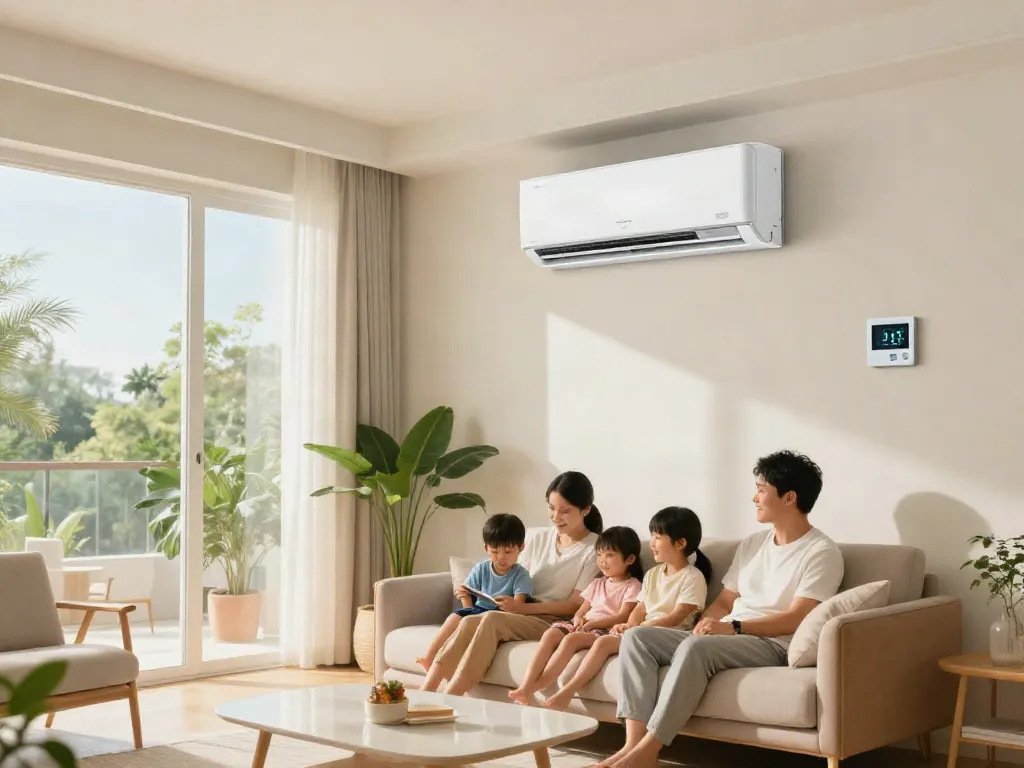
A mini split AC is a type of ductless heating and cooling system consisting of two main components: an outdoor compressor and one or more indoor air-handling units. These systems are designed to provide efficient climate control for individual rooms or spaces without the need for extensive ductwork. The outdoor unit houses the compressor, while the indoor units are usually mounted high on a wall or ceiling, allowing for unobtrusive installation.
How Does a Mini Split AC Work?
The operation of a mini split AC revolves around the refrigeration cycle, which involves the evaporation and condensation of refrigerant. In cooling mode, the indoor unit absorbs heat from the indoor air and transfers it to the outdoor unit, where the refrigerant expels the heat outside. In heating mode, the process reverses, drawing heat from the outside air and circulating it indoors. This efficient mechanism ensures that mini split systems can effectively maintain comfortable temperatures year-round.
Benefits of Mini Split AC Systems in Homes
- Energy Efficiency: Mini split systems are known for their high SEER (Seasonal Energy Efficiency Ratio) ratings, making them more energy-efficient compared to traditional systems.
- Flexible Installation: The ductless design allows for easy installation in various spaces, without major renovations.
- Individual Room Control: Multiple indoor units can be controlled separately, ensuring customized comfort in each room.
- Quiet Operation: Mini split units operate more quietly than conventional systems, contributing to a more peaceful environment.
- Improved Indoor Air Quality: With fewer ducted systems, there is a reduced risk of dust and allergens circulating in the air.
Common Misconceptions About Mini Split AC
Debunking Myths: Mini Split vs Traditional AC
One of the most common misconceptions about mini split AC systems is that they are inherently less effective than traditional central air conditioning systems. While central systems can efficiently cool larger spaces, mini splits are designed for specific areas, providing precise cooling and heating. This allows for better temperature control and potentially lower energy costs, as users can choose to cool or heat individual rooms instead of the entire home.
Energy Efficiency: Fact or Fiction?
Another myth surrounding mini splits is that they are energy hogs. In reality, many mini split systems boast high energy efficiency ratings, often higher than traditional units. This efficiency is primarily due to the inverter technology used in many models, which allows the system to adjust its output according to the cooling or heating demand, thus saving energy.
Installation Challenges: What to Know
Some homeowners may fear that installing a mini split AC is a complicated process. While professional installation is recommended, especially for systems with multiple indoor units, the installation process is generally less invasive than installing ductwork for a traditional system. Mini splits require only a small hole for the refrigerant lines and electrical connections, making them a practical option for homes without existing ducts.
Best Practices for Installing Mini Split AC
Choosing the Right Size and Capacity
Proper sizing is critical for the effective operation of a mini split AC. An undersized unit may struggle to cool or heat the space effectively, while an oversized unit can lead to short cycling, which wastes energy. It's important to calculate the BTU (British Thermal Unit) requirements for the specific area based on factors like insulation, window size, and climate.
Optimal Placement for Indoor and Outdoor Units
The placement of both indoor and outdoor units plays a significant role in the efficiency of a mini split system. Indoor units should be positioned in locations that facilitate proper air circulation, while outdoor units need sufficient clearance around them to allow heat exchange. Shadows from trees, overhangs, and walls can impact performance, so choosing an appropriate location is key.
Hiring Qualified Professionals for Installation
While DIY installations are possible with some mini split models, hiring a qualified HVAC professional can ensure that the system is installed correctly and efficiently. Professionals can also help determine the best locations for units, ensuring optimal performance and compliance with local building codes.
Maintenance and Care for Mini Split AC Units
Routine Maintenance Tasks to Ensure Efficiency
Regular maintenance is essential for keeping mini split AC systems running efficiently. Homeowners should clean or replace filters every few months, check for debris around the outdoor unit, and schedule professional maintenance at least once a year. This routine care helps prevent breakdowns and prolongs the lifespan of the system.
Signs Your Mini Split AC Needs Repair
It’s important to recognize signs that indicate your mini split AC may need repairs. Common indicators include unusual noises, fluctuating temperatures, leaks around the unit, or a sudden increase in energy bills. Addressing these issues promptly can prevent costly repairs down the line.
How to Clean Your Mini Split AC System
Cleaning the indoor units is a straightforward process. Homeowners can start by turning off the system, removing the front cover, and gently vacuuming the filters to remove dust and debris. A mild soap solution can be used to wipe down the fins and surfaces, ensuring efficient airflow and hygiene in the unit.
Future Trends in Mini Split AC Technology
Innovations in Energy Efficiency for 2026
The HVAC industry is constantly evolving, and mini split AC systems are no exception. Expected innovations in energy efficiency could include enhanced inverter technologies and more environmentally friendly refrigerants. These improvements will not only lead to lower energy bills but also contribute to global efforts in reducing carbon footprints.
The Rise of Smart Mini Split AC Systems
Smart technology is on the rise in the mini split market. With the integration of IoT (Internet of Things), users will soon be able to control their mini splits remotely via smartphones or engage in voice commands through smart home systems. This functionality supports improved energy management and comfort.
Environmental Impact and Sustainability Considerations
As society becomes increasingly aware of environmental issues, mini split systems are positioned as sustainable choices. Their energy-efficient designs and the potential use of renewable energy sources make them an appealing option for eco-conscious consumers looking to minimize their environmental impact.
What are the Advantages of Using Mini Split AC?
Mini split AC systems offer numerous advantages, including energy savings, flexibility in temperature control, and ease of installation. They are suitable for a variety of spaces, from small apartments to large homes, making them a versatile choice for many consumers.
How Much Does it Cost to Install a Mini Split AC?
The cost of installing a mini split AC can vary significantly based on factors such as the complexity of installation, the number of units required, and local labor rates. Generally, homeowners can expect to invest between $3,000 and $5,000 for a multi-zone system, which includes both equipment and installation.
Can a Mini Split AC Heat and Cool My Home?
Yes, many mini split AC systems are designed to provide both heating and cooling capabilities. They function efficiently in both roles, making them a practical choice for year-round climate control.
What Size Mini Split AC Do I Need?
Determining the correct size of a mini split AC unit is crucial. Factors such as room size, insulation quality, and climate will influence the BTUs needed for optimal performance. Consulting with an HVAC professional can help ensure you select the appropriate unit.
How Often Should I Service My Mini Split AC?
Routine servicing is recommended at least once a year, ideally before the cooling or heating season. Regular maintenance helps ensure that the system operates efficiently and extends its lifespan.