
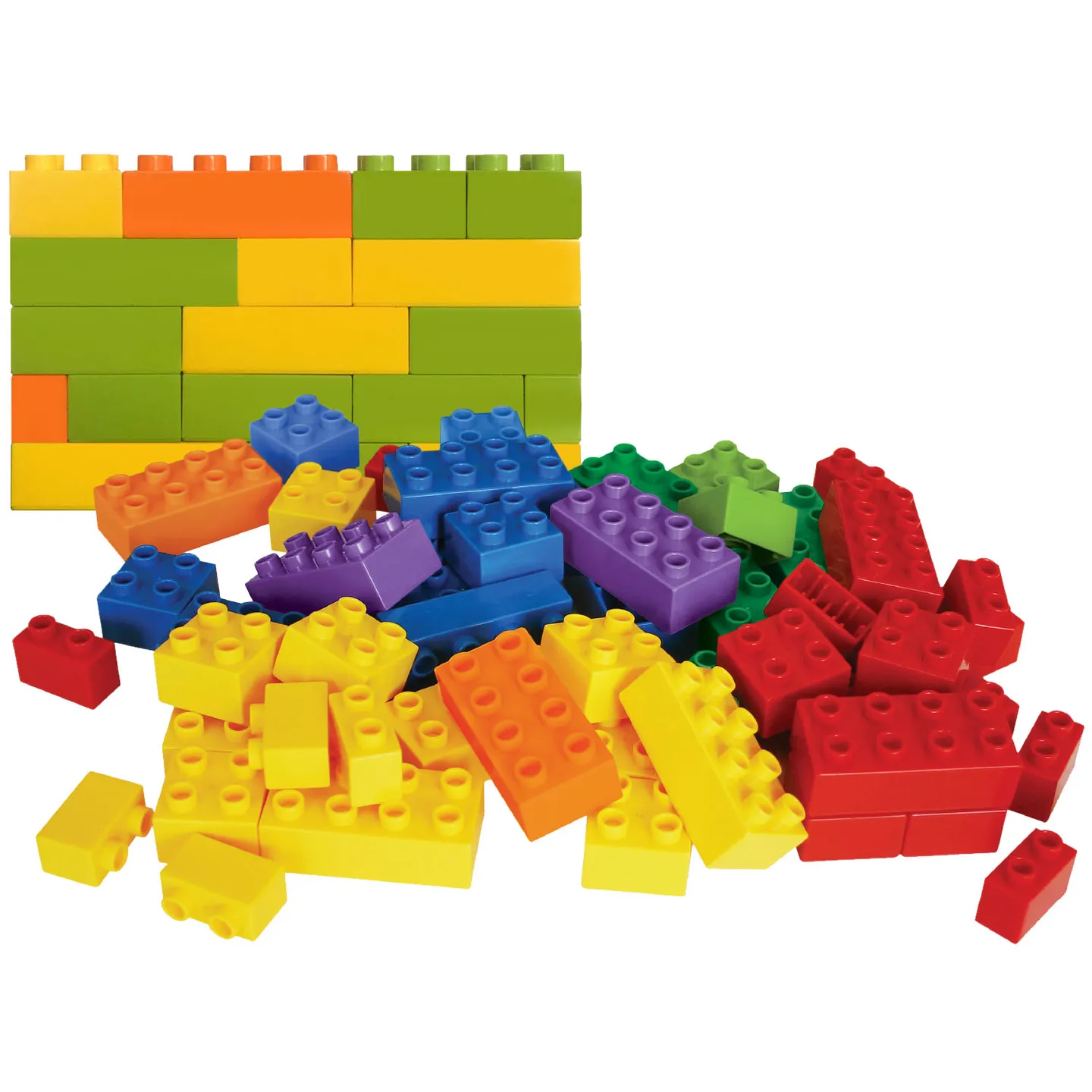
Giant Building Blocks can help transform an ordinary room into a creative and organized play zone where children can build, imagine, and explore. Giant Building Blocks provide versatile materials for creating towers, houses, forts, play areas, and pretend environments while encouraging hands-on activity. Giant Building Blocks can also help parents design a dedicated space for construction and imaginative play without needing complicated equipment. With thoughtful room preparation, age-appropriate materials, clear boundaries, and proper supervision, Giant Building Blocks can become an engaging part of a child's indoor play routine.
What Makes a Safe Play Zone?
A safe play zone is more than simply placing toys in an empty room. It should provide children with enough space to move, create, and explore while minimizing unnecessary hazards. A well-planned area can also help children understand where construction activities should take place.
Parents can begin by choosing a section of the room with sufficient floor space. Remove fragile objects, sharp furniture edges where practical, loose cords, and other unnecessary obstacles. Keep pathways and exits clear.
Create a Dedicated Construction Area
Giving children a specific location for building can make play more organized. A rug or clearly defined floor area can help identify the construction zone.
Giant Building Blocks can be stored close to the designated area so children can access them without carrying pieces across the entire room. This can reduce clutter and make setup and cleanup easier.
Choosing the Right Building Materials
The materials used in a play zone should match the child's age, abilities, and intended activity. Parents should review product descriptions, age recommendations, and manufacturer safety instructions before introducing construction materials. For more information about large building blocks for kids, explore their features, benefits, age suitability, and role in encouraging imaginative and educational play.
Consider Size and Weight
Large pieces can be easier for some children to grasp, but parents should still consider whether each piece is manageable for the intended user.
Giant Building Blocks should be appropriate for the child's developmental stage and used only for their intended purpose. Lightweight construction pieces can be particularly convenient for indoor projects, but the suitability of any material depends on its specific design.
Check Material Quality
Parents should inspect construction pieces regularly. Look for cracks, tears, broken connectors, sharp edges, or other damage.
If any component becomes damaged, remove it from the play area and follow the manufacturer's recommendations for replacement or disposal.
Turning a Bedroom or Playroom Into a Creative Zone
Almost any suitable indoor area can become a construction space with thoughtful organization. A bedroom corner, playroom, classroom section, or family room can provide enough room for creative building.
The goal is not necessarily to redesign the entire room. Instead, create a clearly organized section where children know they can build.
Use Accessible Storage
Storage containers, open shelves, and baskets can help keep building pieces organized. Choose a solution that is suitable for the child's age and the size of the materials.
Giant Building Blocks can be sorted by shape, size, or general type if the collection contains many different pieces. Organized storage also encourages children to take responsibility for their play materials.
Building Structures Within a Safe Space
Once the room is prepared, children can begin creating structures based on their imagination. They might build houses, castles, garages, towers, bridges, or miniature communities.
Parents should encourage children to build on stable surfaces and leave enough space around structures for safe movement.
Focus on Stable Designs
Children often want to build as high as possible, but stability should be more important than height. Encourage them to create strong foundations and consider how different pieces affect the balance of a structure.
Giant Building Blocks can help children explore basic construction principles through hands-on experimentation. If a structure becomes unstable, children can carefully dismantle it and try a different design.
Creating Imaginative Play Zones
Construction materials can do more than create individual structures. They can help divide a room into imaginative play areas.
For example, children could build a pretend shop in one corner, a garage in another, and a small house nearby. These areas can become part of one connected imaginary world.
Build a Pretend City
A pretend city is an excellent project for children who enjoy creating larger environments. They can construct homes, schools, shops, parks, roads, and other buildings.
Giant Building Blocks allow children to expand the city as new ideas develop. Toy cars, figures, and other age-appropriate accessories can add storytelling opportunities.
Create a Cozy Reading Area
A low construction can help define a dedicated reading or storytelling space when the specific materials and structure are suitable for that purpose. Cushions and books can make the area more inviting.
Always ensure that any structure used around children is stable and appropriate for the intended activity.
Supporting Active but Safe Indoor Play
A safe zone does not need to restrict movement. Children can remain active by collecting pieces, walking between construction areas, and participating in building challenges.
Parents can introduce activities that combine construction with physical movement while keeping the environment organized.
Design a Simple Building Challenge
Ask children to create a bridge for toy vehicles, a shelter for a stuffed animal, or a small community with several connected buildings.
Giant Building Blocks make these activities flexible because children can easily modify their creations. The focus can remain on creativity, planning, and safe construction.
Encouraging Independent Play
A well-designed play zone can give children a place where they can work independently. They can choose a project, collect materials, and develop their own construction ideas.
Independent play can encourage decision-making and confidence while allowing children to explore at their own pace.
Let Children Make Design Decisions
Parents can provide guidance without controlling the entire project. Ask children what they want to build and how they plan to approach it.
Giant Building Blocks provide an open-ended construction medium where there is no single correct design. This freedom can encourage children to experiment with their own ideas.
Building With Siblings and Friends
A dedicated construction zone can also support cooperative play. Multiple children can work on the same structure or create separate designs that eventually connect.
Children can practice communication, sharing, turn-taking, and teamwork while developing a shared imaginary world.
Establish Clear Play Rules
Simple rules can help group construction remain safe. Children should avoid throwing pieces, intentionally knocking down another child's structure, or blocking doors and walkways.
Giant Building Blocks should be handled responsibly, and children should understand that climbing on structures is not appropriate unless the specific product is explicitly designed and approved for climbing.
Making Safety Part of Cleanup
Cleanup is an important part of maintaining a safe play zone. Loose pieces left on the floor can become tripping hazards, particularly in rooms that are also used for other activities.
Teach children to return pieces to their storage area after construction.
Inspect Before the Next Session
Parents can quickly inspect the play area before the next building session. Check that the floor is clear and that construction pieces remain in good condition.
Giant Building Blocks that are damaged should be removed from use. Keeping the collection organized also makes it easier to identify missing or damaged components.
Adapting the Safe Zone Over Time
Children's interests and abilities change as they grow. A play zone that works for a younger child may need adjustments later.
Parents can gradually introduce more complex construction challenges as children's skills develop while continuing to follow age recommendations and product instructions.
Giant Building Blocks can remain useful across different stages of development when the specific products are appropriate for the child's age and abilities.
Frequently Asked Questions
1. Can Giant Building Blocks turn any room into a safe play zone?
They can help create a dedicated construction area, but safety depends on the room, the specific materials, and how they are used. Parents should remove hazards, provide adequate space, and follow product instructions.
2. How should I prepare a room for construction play?
Clear unnecessary obstacles, protect fragile items, keep exits and pathways open, use a stable floor surface, and create a designated building area. Store construction pieces where children can access them appropriately.
3. Can children climb on structures made from large blocks?
Only if the specific product is explicitly designed and approved for climbing or supporting body weight. Otherwise, children should not climb on construction structures.
4. What can children build inside a safe play zone?
They can create houses, castles, towers, bridges, garages, pretend shops, cities, animal shelters, and imaginative environments. Projects should always be appropriate for the materials and available space.
5. How can parents keep the construction area safe?
Inspect materials regularly, remove damaged pieces, keep pathways clear, supervise according to the child's age and activity, and teach children simple rules for handling and storing construction materials.
Conclusion
Turning a room into a safe creative zone does not require complicated equipment or major renovations. With thoughtful organization, suitable construction materials, and clear safety practices, an ordinary indoor space can become an exciting environment for hands-on play.
Giant Building Blocks provide children with flexible materials for creating houses, castles, towers, cities, bridges, and imaginative worlds. They can encourage creativity, coordination, spatial awareness, planning, and problem-solving while giving children an opportunity to make their own design decisions.
The most important part of creating a safe construction zone is balancing freedom with sensible boundaries. Children should have enough space to experiment while understanding how to handle materials responsibly.
Giant Building Blocks can also support cooperative family play, independent exploration, and themed building challenges. As children grow, their projects can become more creative and complex while the basic play area remains familiar and organized.
With age-appropriate materials, stable surfaces, suitable storage, regular inspections, and supervision when needed, a simple room can become a purposeful play environment. Giant Building Blocks can provide the foundation for that transformation, helping children build not only structures but also creativity, confidence, and valuable hands-on skills.